

Here’s the thing about Metal – there’s no such thing as Metal. I mean that like there is now no such thing as just “rock” music or “jazz” or any other genre.
With Heavy Metal, just like all these other types of music, the music has changed, evolved, and branched out over time. This has created new sub-genres, which have even spun up sub-sub-genres. If that’s even a thing?
So today…
There’s no real point in telling another metalhead you like Metal. Sure, this might work for the layperson who thinks all Metal is loud, heavy, and scary (not ALL of it is!). But for a fellow headbanger, you’re going to have to get more specific.
With so many different bands out there, it’s good to know the different types of Metal music to help direct you to things you’ll probably like.
The Origins of “Heavy Metal”
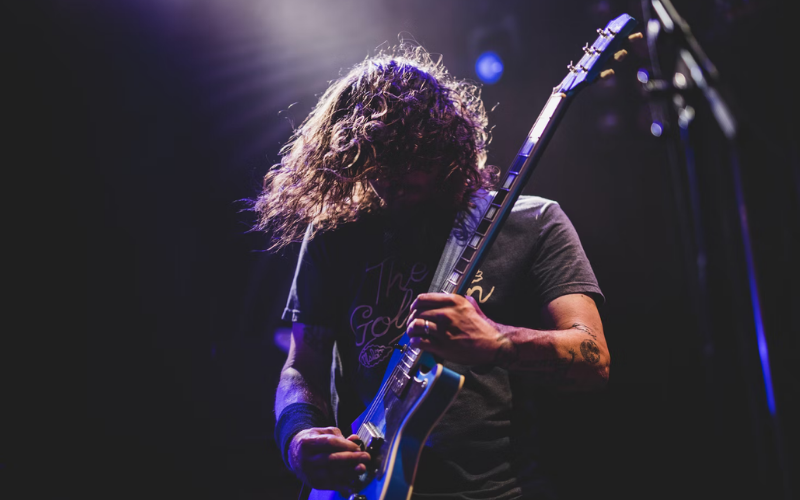
Before we look at all the new and different kinds of Metal music out there, it’s worth having a peek at where does Heavy Metal music comes from.
Most people will point to Led Zeppelin or Black Sabbath as the first true Metal bands. That said, they don’t have a whole lot in common with what you might recognize as Metal music today.
The name “Heavy Metal” is a mystery as well…
No one is quite sure where it came from first. Although, the first song to mention it is “Born to Be Wild” by Steppenwolf, where they sing, “I like smoke and lightning / Heavy metal thunder.”
This is considered a reference to the sound and feel of a big motorcycle. Still, it was a super-popular song and may have helped the name to catch on.
The Elements of Heavy Metal
These are heavy, as in intense, and metal, as in tough and piercing. So, when 1960s bands like The Who, Jimi Hendrix, Cream, and even the Beatles (Helter Skelter?) started to play around with harder, heavier, louder sounds and serious guitar distortion and feedback, they started things down a certain path.
Songs like Iron Butterfly’s “In-A-Gadda-Da-Vida” and King Crimson’s “21st Century Schizoid Man” are certainly Proto-Metal songs. By 1970, Led Zeppelin and Black Sabbath were on the scene, creating heavy, intense, loud, and aggressive music.
Deep Purple and Grand Funk Railroad followed, keeping things intense and guitar-focused. Soon you had Thin Lizzy, Alice Cooper, and finally Judas Priest. And whatever you think about the previous bands, I’ve never heard anyone say Priest wasn’t Metal.
Types of Heavy Metal
So here we are. Let’s look at the many different types of Metal music and the bands that stand out to characterize each genre.
Classic Heavy Metal
I’ve already mentioned some of the greats. Led Zeppelin, Black Sabbath, Blue Cheer, Deep Purple, and Judas Priest are among the classic names that most people accept as the beginnings of classic Heavy Metal music.
These bands played loud and hard, with a big focus on slamming drums, pounding bass and rhythm guitars, and screaming guitar solos. Their singers also wailed more than sang, frightening old ladies away.
A certain style emerged…
Their lyrics and song topics also spoke to darker themes than had been explored in recent rock and pop music. War, mayhem, and violence were quickly associated with Heavy Metal. So was an element of fantasy, like battling dragons with flaming swords.
There was an element of toughness and machismo in this music as well. For many, that made it scary. And the legends of Led Zeppelin, including backward satanic messages in their records are true, right?
New Wave of British Heavy Metal
Other incredibly important bands that helped change the direction of Metal started flying out of the UK in the mid-1970s. Probably the most important of which was Motorhead.
They pushed their songs in a faster and more furious direction from the start. This band heavily influenced tons of acts to follow by being fast and incredibly loud at their live concerts.
Iron Maiden was another New Wave act that really rocked. They combined chugging guitars with thunderous, technical drumming and soaring vocals for a format that became hugely popular. And the band is still touring today after banking 40+ albums.
English Angst
Another British band, Saxon, was also really influential. Although, they don’t often get their due in America. However, this group killed it in the UK, especially into the 1980s. They were also the inspiration behind the spoof metal band Spinal Tap.
Other acts like Dio, Angel Witch, Diamond Head, and Samson also brought Metal to the forefront and more or less into the mainstream.
Hair Metal/Glam Metal
By the early 80s, Metal was a genre that could no longer be ignored or swept under the rug as some trend that was bound to pass. Instead, it was coming up.
And while many of the Metal Music pioneers and new wave bands continued doing their thing, the genre had begun to get mainstream attention. This meant, of course, that record companies wanted in on the action and worked to create a version of Heavy Metal that could sell.
Enter Hair Metal, aka Glam Metal…
While 70s acts like Kiss and Alice Cooper were more into stage theatrics than truly heavy music, their influence is hard to ignore. Bands like Dokken, Ratt, Mötley Crüe, Hanoi Rocks, Quiet Riot, and Twisted Sister got into the big time. With most of the action focused on the infamous L.A. Sunset Strip.
These bands went in a direction that was toned down and less aggressive. Instead, they played up their bad-boy antics and looks and were known for mayhem, partying, and hard drugs.
Their music may have started heavy. But, towards the end of Hair Metal, bands like Poison, Skid Row, and Warrant were playing more rhythmic, anthem-based rock and even soppy ballads.
Thrash
While Hair Metal seemed to try to ruin Metal for good, another branch of Metal luckily came along. This was Thrash. Heavily influenced by the speed and power of Motorhead, Thrash focused on making Metal faster. Metallica, Slayer, Anthrax, and Megadeth led the charge to create this new sound.
They used heavy, fast, and technical drumming, low-toned chugging and palm-muted guitar riffs, and screaming solos that often went on for ages. Their lyrics and style were aggressive and angry, as you can see from the band names.
Quick to rise and fall…
While Hair Metal devolved into soft rock, the Thrashers pushed Metal further into the mainstream all over the world. Sepultura, Testament, Exodus, Overkill, Destruction, Kreator, and Sodom were some big names in Thrash music.
Thrash more or less faded out in the mid-90s. But, other sub-genres of Metal Music had already been growing, and we’re more than ready to take its place.
Death Metal

Starting in the mid-80s, things turned darker in Metal. This was both a reaction to the mainstream success of Metal and a desire for even heavier, darker music.
Lyrics got really dark, with a focus on death, war, Satanism, and other controversial topics. Bands like Death, Possessed, and Necrophagia kicked it all off.
These bands and those that have come after used down-tuned guitars, blast beats, and growled or screamed vocals. Along with the intense speed and sound of thrash, they created a signature sound. In the 1990s, Swedish bands really took to this format and created their own sub-genre.
Not for faint-hearted…
You may recognize some of these iconic Death Metal names, like Carnage, Morbid, Cannibal Corpse, Morbid Angel, and Obituary.
Death Metal has spun off so many sub-genres that it’s impossible to go through them all. From Death-Doom to Deathgrind to Melodic Death Metal, the dark and heavy atmosphere of Death Metal still permeates through the Metal scene.
Black Metal
Black Metal was Europe’s answer to Death Metal which was spawned in America. The idea was to make the music intentionally dark and grim. While it handles a lot of the same themes as Death Metal, Black Metal focuses on Satanism and paganism.
The sound of Black Metal is more creepy than the dark aggression of Death Metal. Vocals are usually screamed or shrieked, guitars are tremolo picked and distorted, and production is usually fuzzy or full of noise on purpose.
Norweigan bands got very deep into Black Metal in the 90s. They ended up creating a scene that was also associated with real death and violence. Notable Black Metal bands include Venom, Bathory, Merciful Fate, Mayhem, Darkthrone, Immortal, and Dissection.
Grindcore
While Death Metal and Black Metal were building up in America and Europe, the UK came up with its own genre – Grindcore. This was a sort of fusion of hardcore punk rock and the grinding speed of Thrash, often called Grind in the UK.
The genre that started in the 80s has a less dark but still aggressive tone to it. Grindcore bands used heavy distortion, chugging bass, down-tuned guitars, blast beats, and explosive tempos to achieve their sound.
Bands like Napalm Death, Anal Cunt, Extreme Noise Terror, Brutal Truth, Carcass, and Nasum characterize the Grindcore Metal music sound.
Power Metal
There are so many types of Metal music out there that there’s something for everyone. In the 1980s, when Death and Black Metal were on the rise, many Metal fans were put off by the ultra-dark direction the music was headed in. They wanted something heavy but not as aggressive or morbid.
Power Metal was the answer…
This genre uses the heavy and fast formula but does away with growling and screaming vocals. Instead, it replaces them with truly powerful singing. Guitar solos return in this genre, and larger-scale orchestration and the use of keyboards also define it.
Bands like Helloween, HammerFall, Dragonforce, and Rata Blanca have made this a popular genre in Europe, Japan, and South America.
Progressive Metal
Progressive or “Prog” Metal was another reaction to the intensely heavy and dark Black and Death Metal movements. Prog Metal bands focused on the technical side of the music. Something that often took a back seat to the all-out audio assault of Death Metal.
Bands like Queensrÿche, Fates Warning, The Contortionist, Scale the Summit, Symphony X, and the inimitable Dream Theater exemplify this genre. They are often fast and heavy but still leave plenty of room to show off their chops.
Taking cues from Rush and King Crimson, their music is known for multiple time signature changes, complexly interwoven riffs, accuracy, and technical prowess.
Doom Metal
Yet another mid-80s revolt against Thrash, Death, Black, and of course, Hair Metal, is Doom Metal. And with all these different types of Metal music, you might be wondering how another genre could distinguish itself. The answer is simple – slow it down.
Doom Metal is dark, bleak, gloomy, and deliciously slow. Rather than rage, it better expresses gloom and doom, hence the name. Bands like The Obsessed, Trouble, Saint Vitus, and Candlemass incorporated the slow-burning riffs and depressing lyrics that define Doom Metal.
Gothic Metal
Now we’re getting into sub-genres, and Gothic Metal is one that stands out. This genre has a signature style more than a sound. After combining Death and Doom sensibilities, throw in a bit of vampire aesthetic, and you get Gothic Metal.
Goth Metal bands are known for a distinct black, fanged look and a serious love of Dark Ages themes. The music is usually slow and burning like Doom and features more powerful singing than growling and screaming. However, it can still incorporate intensely heavy moments.
Bands like My Dying Bride, Type O Negative, Paradise Lost, HIM, Cradle of Filth, and Anathema stand out in this type of Metal.
Sludge Metal
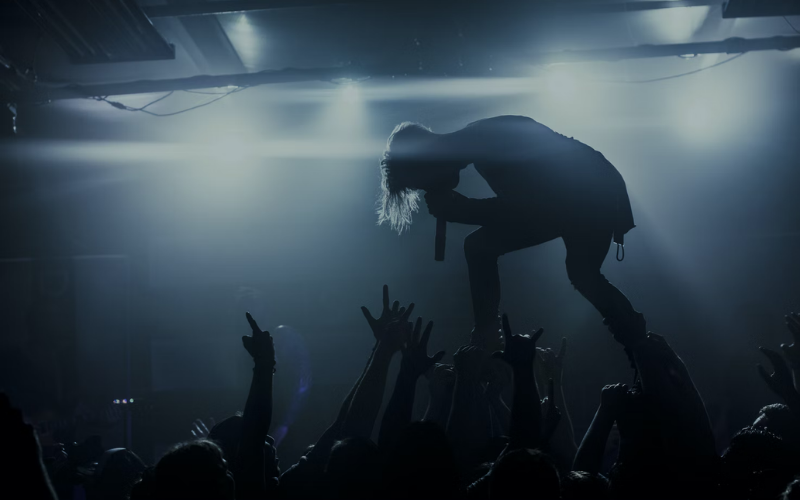
Also known as Sludge Doom, this sub-genre of Metal grew out of a strange mixture of Doom and hardcore punk rock. The band, The Melvins, was instrumental in setting Sludge Metal on its course and also for influencing the grungier side of 90s grunge music.
Sludge is typically slow like Doom but heavily distorted and down-tuned to create a sludgy mess of sound. Vocals are usually shouted like in punk rock rather than sung. And because of its punk heritage, Sludge Metal songs sometimes break into sudden fast hardcore sections.
Aside from the Melvins, other Sludge bands include Corrupted, Eyehategod, Grief, and Acid Bath.
Metalcore
Another fusion of Metal and punk music came in the form of Metalcore. In this sub-genre, bands combined the speed and aggression of extreme Metal with the sloppy, moshable sound of hardcore punk music.
With Metalcore, you often get a combination of fast and slow parts of songs. Bands use more shouting and gang vocals and only occasional screaming. Although growling is still common.
Integrity, Hatebreed, Disembodied, and Earth Crisis were early 90s Metalcore pioneers. In the next decade, bands like Atreyu, As I Lay Dying, Avenged Sevenfold, Bleeding Through, Trivium, and Killswitch Engage made Metalcore one of the most popular genres of Metal music of the 2000s.
Rap Metal
The 90s also gave us Rap Metal, obviously a blend of rap and Heavy Metal music. Bands used the instrumentation of Metal but included rappers into the mix, sometimes also with a Metal vocalist. Early Anthrax and Faith No More mixed these genres in the 80s.
But, in the 90s, the genre took off with bands like Rage Against the Machine, Biohazard, Limp Bizkit, Kid Rock, and Papa Roach gaining huge followings.
Rap Metal gave way to Nu Metal which mixed in everything from funk to grunge. Bands like Korn and Linkin Park got huge and progressively watered down the hard Metal edge of their sound to appeal to mass audiences.
Symphonic Metal
Remember that time Metallica played with a whole symphony orchestra? Power Metal continued to evolve into a more operatic style with symphonic elements until Symphonic Metal was born.
These bands took the powerful rhythms and chugging guitars of Metal and mixed them with classically trained singers, keyboards, and sometimes strings.
Symphonic Metal is still very popular in Europe. Often following a format of soaring female singing and heavier male vocals. Definitive Symphonic Metal bands include Nightwish, Therion, Epica, and Rhapsody of Fire.
Viking Metal
Viking Metal is a Scandinavian Metal movement that developed in the 1990s. It mixes Black Metal elements with folk music, paganism, and Norse mythology.
Viking Metal is usually a bit slow and driving with group chorus vocals. It’s also more theatrical than many other genres and makes use of more traditional Norse instrumentation and costume.
Bathory, Enslaved, Burzum, Helheim, and Falkenbach define this genre that would have been a great soundtrack to the marauding of the Vikings.
War Metal
This sub-genre combines elements of Death and Black Metal, and of course, the themes of war and death. It’s loud and dark, grotty, and often poorly produced by intention.
There is a chaotic sound here. Something that sounds like a combination of battlefield insanity and wild animals ripping throats. Bands like Blasphemy, Possessed, Bestial Warlust, In Battle, and Zyklon-B are leaders in this style.
Avant-Garde Metal
Avant-Garde Metal, like anything avant-garde, is a pseudonym for anything really weird and experimental. Bands can get lumped in this category for sounding heavy and using traditional Heavy Metal elements but also being unpredictable.
Avant-garde Metal bands use drum machines, loops, and other effects rarely seen in Metal. They also play around with different and, in some cases, bizarre sounds and song structures.
Bands that get lumped in here include Celtic Frost, Helmet, Gorguts, Earth, Neurosis, and Mr. Bungle. And yeah, they’re all pretty strange!
Christian Metal
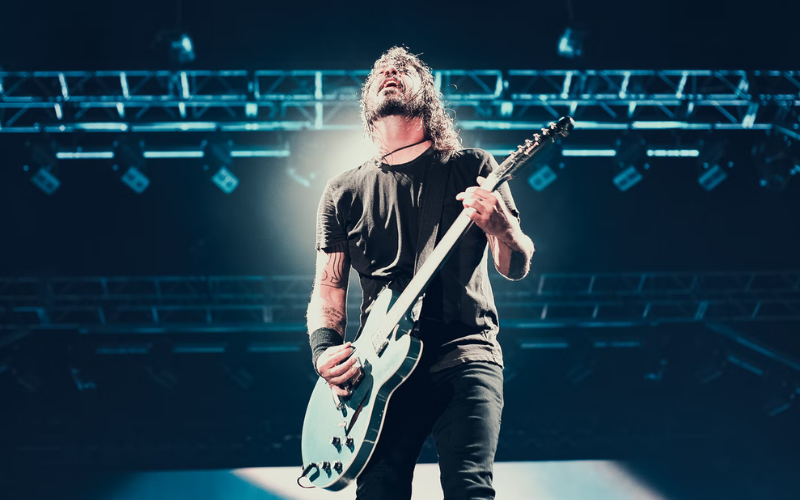
Christian Metal is less of a genre based on a signature sound or style, but instead one based on a theme. That, of course, is Christ. While other types of Metal have gone extreme in terms of themes, like death, Satanism, murder, war, and even necrophilia, Christian Metal bands shred for god.
They also make use of the heavy and intense guitars, rhythms, and even growling vocals of Metal, however, these bands sing songs of praise, or simply positive messages. While they don’t hide their Christianity in the Metal world, many fans don’t know that these are Christian bands.
And they can be found in every sub-genre from Death to Hair to Nu Metal. Big Christian Metal bands include P.O.D., As I Lay Dying, Norma Jean, Stryper, Mortification, Vengeance Rising, and Skillet.
Want to Learn More About Music Genres and Popular Songs?
We can help with that. Take a look at our articles on the Best Songs about Fighting, the Best Songs About Loneliness, and the Best Songs About Heroes for some sweet song selections.
You may also enjoy our detailed articles on the Best Album Covers of All Time and the Top 10 Genres in the Music Industry for more interesting musical history and trivia.
Types of Metal Music – Final Thoughts
On this list of different kinds of Metal music, I’ve gone through a lot of the history and development of Metal. We’ve also looked at the biggest genres and many of the biggest sub-genres that Metal has splintered into.
But there are so many more…
I feel like I’ve only just scratched the surface. What I’ve found is that there isn’t one easy way to define what’s Metal and what’s not. More than anything, it’s a feeling, a heaviness, and intensity that defines Metal above all else.
Until next time, rock on.
