

London was the place to be in the early 60s. The Beatles had lit the blue touchpaper, and as the fireworks exploded, it opened up a whole new world for a growing number of young bands.
The Who dominated in West London, and The Yardbirds in Southwest London. Over in East London, it was The Small Faces, and the original Fleetwood Mac with Peter Green ruled everywhere. And, in North London, there were The Kinks. They were a band responsible for some very new things.
The Kinks were the first to incorporate heavy riffs in Pop Music. And they were not opposed to writing “interesting” lyrics. Their song “Lola” was one such song. So, I decided to take an in-depth look at the meaning behind “Lola” by the Kinks.
Early Days
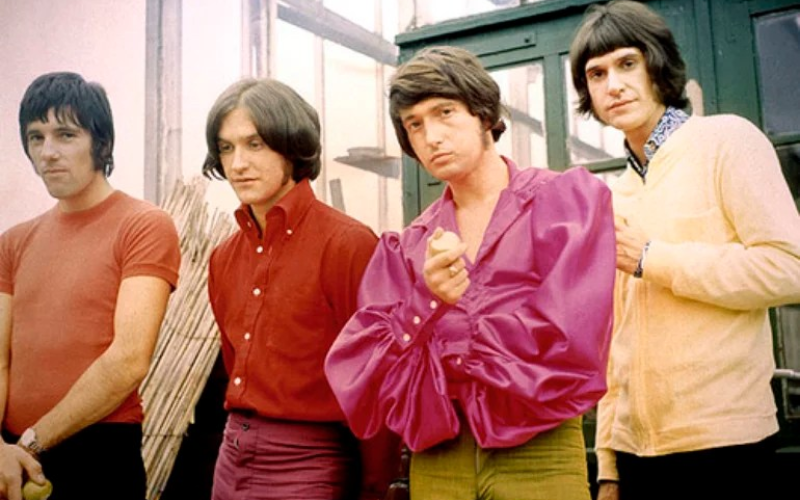
The Kinks were formed in the leafy north London suburb of Muswell Hill. It was just two and a half miles from very posh Hampstead and not known for outrageous behavior or strange residents.
But, in 1963, they got both. The Kinks were formed by brothers Ray and Dave Davies with some school friends. In a very short time, they established themselves as being different and rather good. A surge of Rhythm and Blues bands was underway, and The Kinks were there for it all.
Influential
That’s how you might describe them. And it all started with one of the most famous Kinks songs – “You Really Got Me.” The single was released in 1964, and for us mere mortals, it raised the roof. No one had heard anything quite like this before. It was written, as were most of their songs, by singer and rhythm guitarist Ray Davies. He sang it on TV, just holding his guitar with a smirk on his face.
It raced to #1 in the UK and made the Top 10 in five other countries, including America. The influences for this Rock masterpiece were clear – basic Rock n Roll, plus some R&B, and a bit more. Pete Townshend of The Who later said “You Really Got Me” was his inspiration for their breakthrough single “I Can’t Explain.”
Things Were Just Getting Started
The Kinks followed “You Really Got Me” with a not-dissimilar Ray Davies riff-based Rock song, “All Day and All of the Night.” By 1965, they had outgrown this style, and Davies took them down another road. He started to write songs that reflected English culture and also used, at times, his sardonic wit.
Davies wrote songs that poked fun at a select group of people and the extremes of dress they delighted in, as evidenced in “A Dedicated Follower of Fashion.” Some of the most memorable Kinks songs were observational and outspoken against people who had gained a certain fortune and lifestyle, often illegally, and then lost it, as heard in “Sunny Afternoon.”
Both songs did well commercially and brought a smile to most people’s faces. But he also wrote some of the finest love songs ever. Especially songs like “Days” and the eternal “Waterloo Sunset.” Ray Davies and the band gained a reputation.
Then came “Lola“…
It was always going to be a risk for the boring “conservative” BBC. And, The Kinks might have been pilloried for it and been banned. As a matter of fact, “Lola” was banned before it was even released, but not for its lyrical inferences.
The song originally mentioned “Coca-Cola,” and that was a no-go. Davies changed the lyrics to “Cherry Cola” to allow it to be played on British radio. Pathetic, really, because we all knew what he meant.
But this song was different. I remember being told that the reason it wasn’t banned is that the people at the BBC didn’t have a clue what they were singing about. Even though they had heard rumors, they didn’t believe them. If they had, it would have been banned immediately.
Is It Unique?
At the time, it certainly was. “Lola” was released in 1970 and was probably the first song to even mention an LGBTQ+ subject. Let alone have a complete song about it. Today, of course, it is not shocking. But, at the time, it was. “Lola” became recognized as one of the greatest folk/rock songs ever written. So, what is the song “Lola” about?
The Meaning Behind “Lola” by The Kinks – A Night Out In Soho
The story is set initially in Soho in London’s West End. Near to all the famous theaters but also known as the more “seedy” part of the city. A man is enjoying his night out and meets “Lola.” He is flattered because she pays him plenty of attention. Lola asks him to dance in a “dark brown voice,” and then he notices the strength of her arms around him.
He remarks that he can’t understand why she can talk like a man but walk like a woman. But that doesn’t stop him from going with Lola back to her place. As the song progresses, he begins to understand that Lola is actually a man.
At first, he pushes her away and walks to the door. But, then he looks at her, and she at him. In the end, he talks about it being a mixed-up world where “boys will be girls” and “girls will be boys.” And then reiterates that he is happy to be a man and happy that Lola is too.
Accepting The Situation
That is the most interesting part of “Lola” by The Kinks. There is a complete acceptance of the situation, and it doesn’t worry him at all. Despite the initial confusion where he says he’s “not dumb” and he “can’t understand,” you can almost sense resigned happiness.
Ahead Of Their Time
There are plenty of examples of The Kinks’ music being way ahead of their time, and this is certainly one example. You must remember that Soho in 1970s London was promiscuous, but only in a heterosexual way.
There were plenty of “Lolas,” but it was a taboo subject most of the time. So, for this song to be even written was a huge step in an alternative direction. And, it was successful. It reached #1 in three countries, #2 in the UK, and #9 in America.
An Extension of The Music Hall?
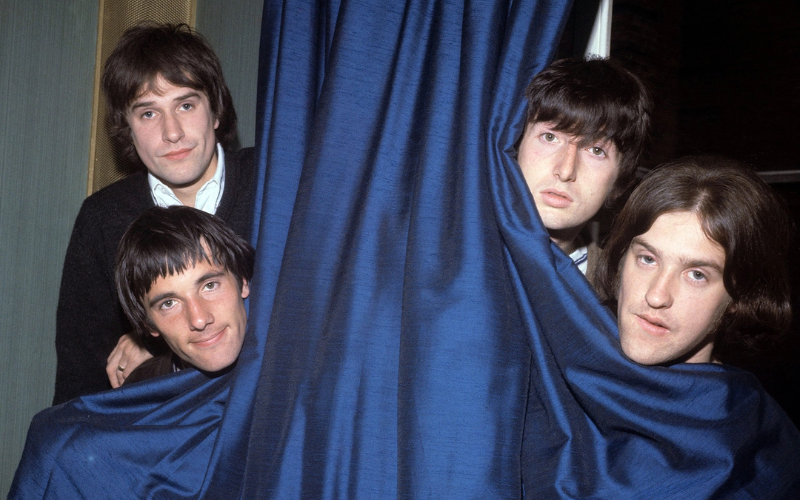
Writing this article made me realize that what we are talking about isn’t actually new. Men dressing as women was part of the Music Hall culture of London going back to Charlie Chaplin. And, even much earlier, when women were not allowed to act on stage for theatre productions. See Shakespeare In Love for more on that. And don’t get me started on Japanese Kabuki.
At the time, that was a huge part of Victorian life in the city, and it is not impossible that there were such relationships even then. Though it would certainly have been a “behind closed doors” affair.
Is “Lola” Based on Real Events?
A lot of songs are written about real-life experiences. So, this prompts the question, “Is ‘Lola‘ based on an actual event?” There have been suggestions it was something that happened to one of the band’s managers on a night out in Paris. It was further suggested it happened to a crew member in New York, and even that Davies himself had been to such a club.
All we know for certain is that Ray Davies did a little research on “drag queens” while writing the song. There is no definitive answer to what thought patterns or incidents inspired Ray Davies to write “Lola.” But looking for answers is not what is required. And, to an extent, it is a pointless exercise.
“Lola” was the first song of its kind in the modern day to openly accept a “different” kind of love, and to be happy with it. It’s just a song about embracing love however it comes and in whatever form it appears. If that isn’t the epitome of the saying “Love is blind,” then I don’t know what is.
Want to Hear More Remarkable Rock Music?
If so, check out our thoughts on the Best 80s Rock Songs, the Best 70s Rock Songs, the Best Classic Rock Songs, the Best 60s Rock Bands, the Most Famous British Rock Bands, and the Best Rock Drummers of All Time for more incredible song selections.
The Meaning Behind “Lola” by The Kinks – Final Thoughts
Ray Davies – songwriter, singer, and rhythm guitarist – was the driving force behind The Kinks. And the most successful Kinks lineup was the 60s line-up with Ray, his brother Dave, bassist Pete Quaife, and drummer Mick Avory.
You can hear more of the best songs by The Kinks on 42 Greatest Hits of The Kinks. Or, if you just want the singles, you can find those on the album Singles Collection. Always creative, The Kinks were a band for “swinging” 60s London. Of that, there is no doubt.
Until next time, happy listening.
